
Disclosure: This article does not represent investment advice. The content and materials featured on this page are for educational purposes only.
Biometric security gains traction as crypto platforms adopt eKYC and liveness tools to combat rising digital threats.
Summary
- Crypto platforms adopt biometrics like eKYC and liveness checks to stop fraud and strengthen identity security.
- Biometric tools such as eKYC, Face2Face, and liveness tests verify users remotely and prevent spoofing attacks.
- Trust Stamp seeks approval for its quantum-secure biometric crypto wallet as demand for stronger protection rises.
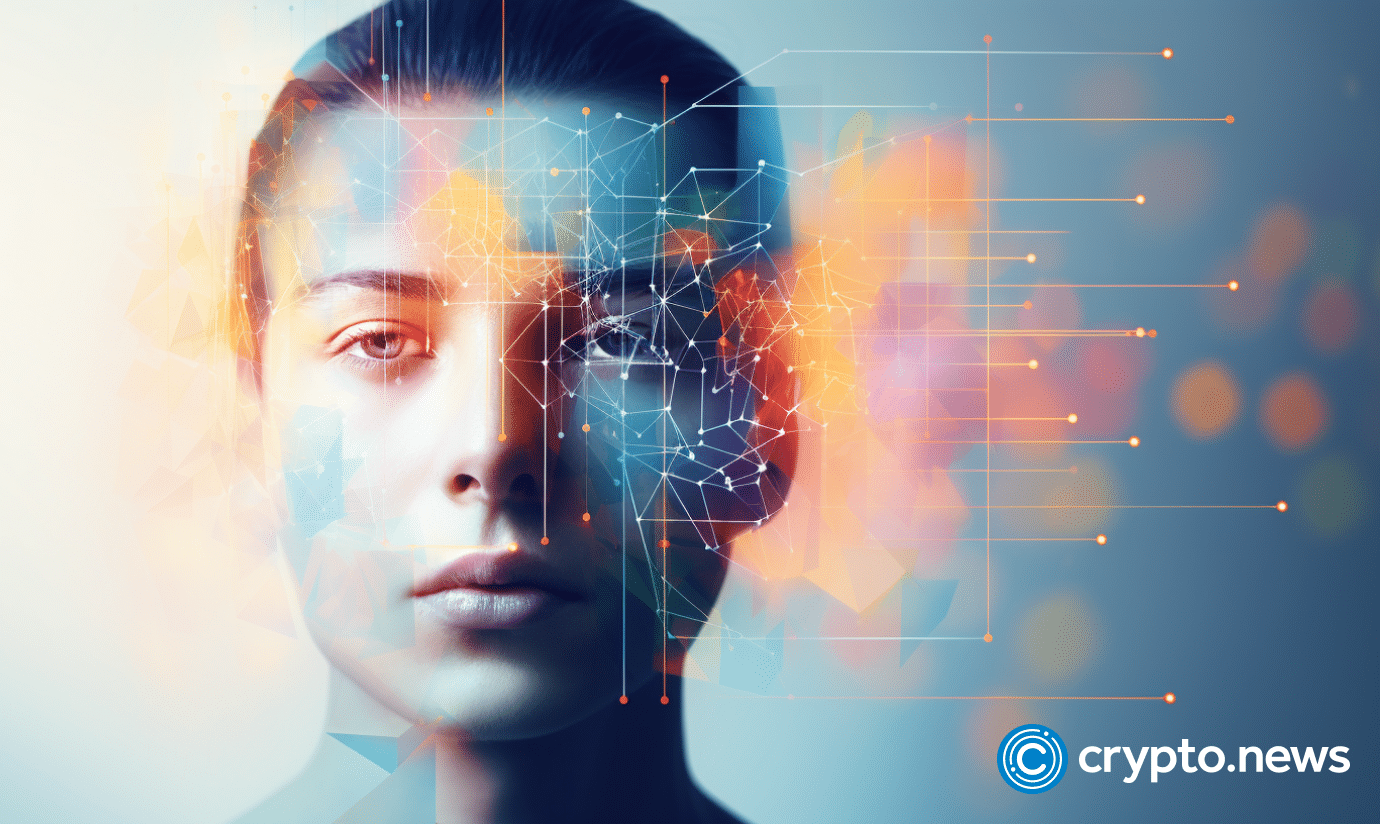
Biometric technologies use physical features to enable identity verification, such as voice, fingerprints, or facial features. These methods help keep criminals from stealing data to carry out illicit transactions, which is why crypto exchanges and individual users are increasingly integrating them. Exchanges utilize technologies such as electronic Know Your Customer (eKYC) and liveness detection to create a multilayered security system.
The use of eKYC helps verify customers effectively and remotely, without requiring their physical presence. Face2Face technology verifies users’ identities by comparing their ID photos to their faces, ensuring they are the legitimate account owners. Liveness detection prevents the use of videos or pictures to mislead facial recognition systems, provided the person undergoing verification is physically present in real time.
Interest in biometric identification is increasing amid security concerns. Recently, Trust Stamp submitted requests for confirmation from an EU regulator and the SEC regarding its biometrically secured wallet, designed to hold cryptocurrencies and stablecoins while offering quantum-secure technology and biometric validation, positioning it between software- and hardware-based storage solutions. But which solution is the most secure?
Gauging crypto wallet security and reliability
Crypto hacks constantly make headlines, leading to an understandable emphasis on security and reliability. Before exploring those, one must understand what a crypto wallet actually is. Essentially, a crypto wallet is something you can’t do without if you are considering buying and holding crypto or NFTs. A private and a public key are generated when you create an account. The wallet stores your keys and enables you to manage your assets, sign transactions, initiate transfers, generate new addresses, track portfolio balances, and interact with dApps.
There are many types of crypto wallets, including hardware wallets, paper wallets, and downloadable mobile apps. However, hardware wallet security can be on par with or even exceed the reliability of a biometric ID tool. Resembling a USB drive or a small gadget, hardware wallets protect private keys from online systems, significantly reducing the risk of malware attacks or online hacks. When you initiate a transaction, your private key never leaves the wallet’s secure environment, as the respective data is signed within the device.
Despite their offline design, these wallets can connect to the internet when plugged into a device to execute a transaction. Typically, this interaction is brief, and the private keys remain protected.
Biometric and hardware wallet features can coexist
Biometric and hardware wallet features can coexist to improve security. Hardware wallets can support fingerprint authentication along with thousands of cryptocurrencies and NFTs. Some are equipped with biometric keys and EAL5+- certified security chips, enabling offline private key storage and supporting a large number of addresses. There are open-source, air-gapped hardware wallets that can operate via QR codes and feature biometric readers and security chips.
When viewed separately, both biometric and hardware wallets have their pluses and minuses. Hardware wallets offer high-level security as private keys are generated and stored offline. Like they say: not your keys, not your crypto. At the same time, it’s worth mentioning that hardware wallets don’t actually store your assets; those remain on the blockchain. A certain degree of tech-savviness is needed to operate specific solutions, like cold storage. Once they have their seed key, passphrase, and password set up, some people even run a few cycles of deleting and restoring the wallet before sending funds.
Weighing the pluses and minuses
Proponents of biometric ID believe it can add a much-needed layer of security, and a glance at the latest headlines is enough to understand their view. According to security experts, North Korea has infiltrated up to a fifth of crypto companies. Experts estimate that over a third of applicants at crypto firms are North Koreans attempting to gain employment, as they aren’t allowed to apply for jobs under their real identities due to international sanctions. They have found a workaround that involves recruiting others to serve as fake employees, who they use to infiltrate systems and steal data. According to recent data from the US Treasury Department, North Korean cybercrime operations have netted crypto worth over $3 billion.
Biometric ID is typically used to compare users’ faces to faces captured during ID verification. Unlike codes or passwords, one cannot guess, phish, or forget facial features, fingerprints, or voice. A core component of multi-factor authentication is “something you are,” which category these traits fall in.
Biometric systems follow a thorough process consisting of basic steps to ensure security, including capture, extract, convert, compare, and verify. The system starts by capturing a live image of your face or another biometric trait and analyzing a specific feature, such as the jawline shape. It then converts the feature into a key or digital template and compares the stored reference to a new live sample during login. Access is granted only if the match is intense.
Some systems store biometric data in its original form, which can raise security and privacy concerns. Other systems transform biometric data into a cryptographic key and avoid storing it altogether, which provides more reliable, built-in privacy protection.
Critics say biometrics are an extra layer of convenience, not security, and believe they aren’t reliable enough. False negatives and positives can occur, which is why a regular password still unlocks a consumer electronic device when the biometric scan fails. Biometric ID features can make devices less trustworthy, more complicated, and ultimately more likely to fail. Each login option opens an additional attack vector, and while you can change a password, you can’t change a finger if someone manages to copy your print.
Beyond a novelty: the future of biometric identification
Biometric ID is becoming a core feature of crypto security thanks to the additional safety it offers, making it much more than a notable novelty in storage options. Features like facial recognition or fingerprints can coexist with traditional wallet features like passwords and passphrases to ensure a safe journey for crypto users, regardless of their background and expertise.
Disclosure: This content is provided by a third party. Neither crypto.news nor the author of this article endorses any product mentioned on this page. Users should conduct their own research before taking any action related to the company.